Give every entry a source
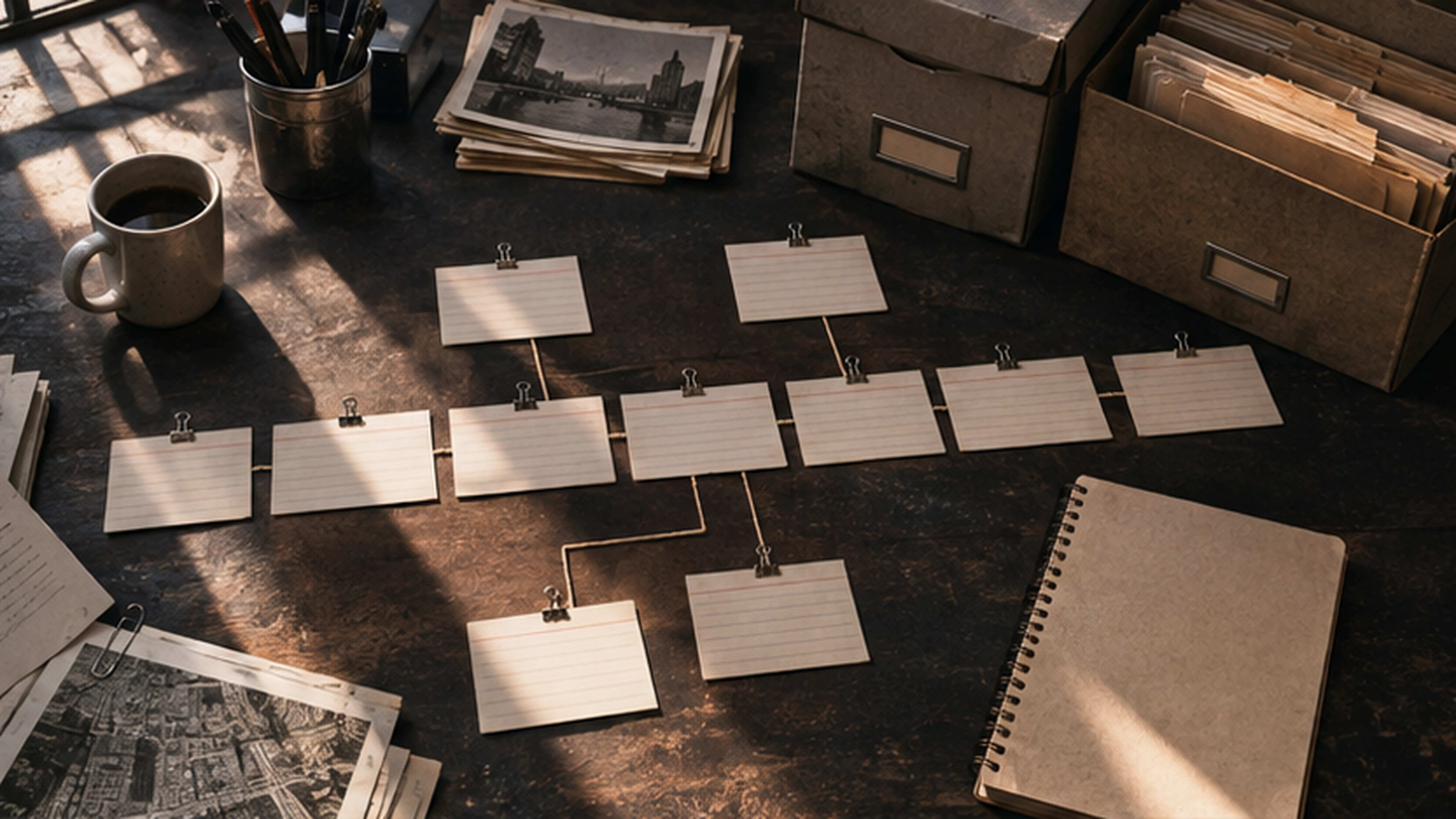
Start with one row per event. Record the event date, what happened, who was involved, and where the evidence lives. Cite the page, file identifier, or interview timecode so another reporter can find the passage quickly.
Keep the dates straight
A record can carry separate dates for the event, the document’s creation, and its release. Keep those dates in separate fields and retain the original time zone. If an interview gives only a range, enter the range and record why the timing remains uncertain.
Preserve conflicting accounts
Keep each version visible when sources disagree. Identify what evidence could resolve the conflict, such as a dispatch log, meeting calendar, or full recording. Mark who supplied each account and whether they witnessed the event directly.
Test the sequence before publication
Have a second reader trace the entries behind the story’s main conclusion. Check whether events happened in the order the narrative implies and whether the evidence supports a connection. Keep sensitive source details in the reporting file and share a public timeline with appropriate redactions.